
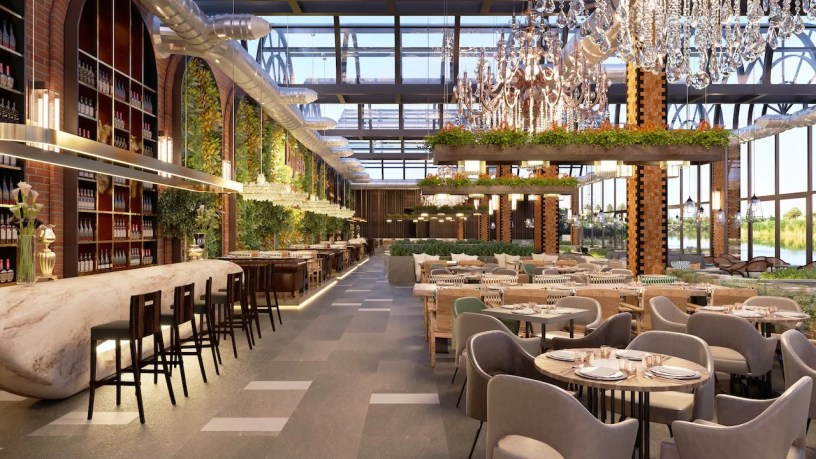
The influence of hospitality furniture suppliers extends far beyond mere aesthetic choices, reaching into the very architecture of social interaction, labour conditions, and economic hierarchies that define contemporary dining and accommodation experiences. These commercial furnishing specialists wield extraordinary power in shaping how we move through public spaces, yet their role remains largely invisible to consumers who experience only the final curated environment.
The Economics of Spatial Control
Behind every restaurant chair, hotel lobby sofa, and bar stool lies a complex network of power relationships that determine not only what we sit on, but how we behave whilst sitting. Commercial furniture providers operate within a system that prioritises durability and cost efficiency over comfort, creating environments designed primarily to optimise turnover rather than encourage lingering.
This economic imperative shapes every aspect of furniture selection. Restaurant furniture vendors understand that slightly uncomfortable seating increases table turnover by an average of 15-20%, directly impacting revenue per square metre. The science of discomfort becomes a calculated business strategy, implemented through seemingly innocent design choices that encourage patrons to conclude their meals more quickly.
The Singapore Context: Market Concentration and Control
Singapore’s hospitality sector provides revealing insights into how furniture supply chains operate within controlled markets. According to the Singapore Tourism Board, the city-state’s 450+ hotels and 32,000+ food service establishments represent a S$2.8 billion annual furniture and furnishing market. This concentration creates significant leverage for major contract furniture suppliers who can influence design trends across entire industry sectors.
Market analysis reveals concerning consolidation patterns:
- 70% of Singapore’s hospitality furniture market is controlled by fewer than 12 major suppliers
- Average replacement cycles deliberately shortened from 8-10 years to 5-7 years
- Standardised design packages reducing customisation options by 40% over the past decade
- Supply chain dependencies create vulnerability to disruption and price manipulation
This concentration enables hotel furniture providers to effectively dictate aesthetic trends whilst constraining options for independent operators seeking distinctive environments.
Labour and the Politics of Production
Manufacturing Realities Behind Hospitality Aesthetics
The glossy catalogues produced by hospitality furnishing companies conceal troubling realities about production conditions and labour practices. The furniture adorning Singapore’s luxury hotels and restaurants often originates from manufacturing facilities where workers face pressure to meet increasingly demanding production schedules whilst maintaining cost competitiveness.
Commercial furnishing specialists operate within global supply chains that prioritise price reduction over worker welfare. The beautiful teak dining sets and upholstered lounge chairs that create ambience in high-end establishments frequently represent exploitative labour relationships disguised by sophisticated marketing materials and sustainability certifications of questionable authenticity.
Environmental Contradictions and Greenwashing
Restaurant furniture specialists increasingly promote environmental responsibility whilst simultaneously encouraging shortened replacement cycles that generate substantial waste. The industry’s sustainability narrative often masks continued reliance on resource-intensive production methods and transportation networks that contradict stated environmental commitments.
Singapore’s mandatory environmental reporting requirements for large hospitality operators reveal troubling statistics:
- Average furniture lifespan decreased by 30% since 2015 despite technological improvements
- 60% of replaced hotel furniture ends up in landfills rather than recycling facilities
- Transportation-related emissions from furniture imports increased 25% over five years
- Sustainable materials adoption remains below 15% despite extensive marketing claims
The Psychology of Commercial Space Design
Hotel equipment suppliers understand that furniture choices profoundly influence psychological states and social behaviours. The height of bar stools, the firmness of restaurant seating, and the arrangement of lobby furniture create subtle pressures that guide human interaction in commercially advantageous directions.
Manipulation Through Material Choices
Contemporary commercial furniture providers employ sophisticated psychological research to design environments that encourage specific consumer behaviours. Bright, hard surfaces promote quick dining experiences suitable for fast-casual concepts, whilst plush, comfortable seating in hotel lobbies encourages longer stays that increase ancillary spending opportunities.
These design strategies reflect broader patterns of spatial control that prioritise commercial interests over human comfort or social connection. The furniture becomes a tool for behaviour modification, deployed by hospitality furnishing companies who understand the economic value of environmental psychology.
Technology Integration and Future Control
Emerging technologies enable even more sophisticated control mechanisms embedded within seemingly innocent furniture designs. Smart tables that monitor occupancy duration, chairs equipped with sensors tracking patron movement, and integrated systems that adjust environmental conditions based on furniture usage patterns represent the next frontier in commercial space management.
Singapore’s smart city initiatives accelerate the adoption of these technologies, with hospitality operators reporting that data-collecting furniture increases operational efficiency by 12-18% whilst providing unprecedented insights into guest behaviour patterns.
Resistance and Alternative Models
Democratic Approaches to Commercial Furnishing
Some hospitality operators actively resist the standardisation imposed by major contract furniture suppliers, seeking relationships with smaller, more ethical producers who prioritise craftsmanship over cost reduction. These alternative approaches often require significant investment and operational complexity but can create distinctive environments that resist homogenisation.
Local artisan collaborations, sustainable material sourcing, and extended product lifecycles represent forms of resistance against the dominant supply chain model. However, such approaches remain economically challenging within competitive markets that reward cost efficiency over ethical considerations.
The dominance of major hospitality furniture suppliers reflects broader patterns of corporate consolidation that shape contemporary social space, demonstrating how seemingly mundane commercial decisions carry profound implications for human experience, environmental sustainability, and economic justice.
 Tips4 Business Blog