
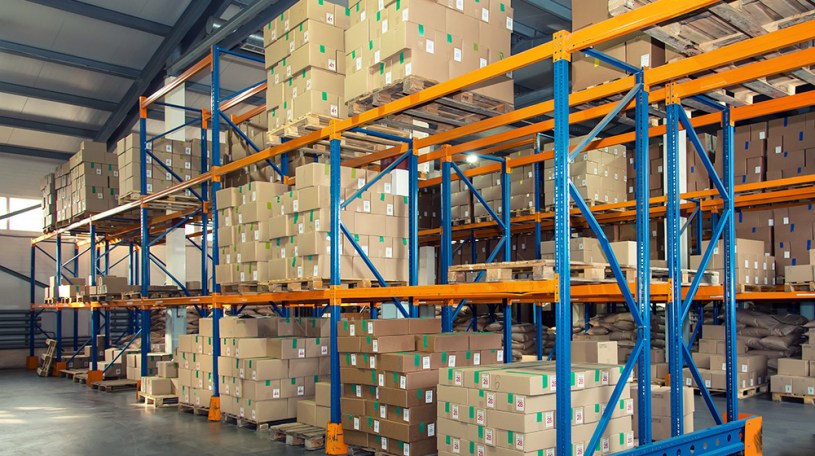
Drive-in racking represents one of the most efficient storage solutions for warehouses managing large quantities of identical products, offering exceptional space utilisation that can transform operational capacity. This high-density storage system has evolved from simple beginnings into a sophisticated method for maximising cubic footage whilst maintaining accessibility to goods. Understanding the nuances of this system requires examining not merely its mechanical properties, but its role within the broader ecosystem of modern supply chain management.
The Fundamental Architecture of Drive-In Storage Systems
The structural logic of drive-in racking systems operates on a principle that challenges conventional storage wisdom. Rather than maintaining individual access points for each pallet position, this system creates deep storage lanes where forklifts drive directly into the rack structure. The engineering elegance lies in its simplicity: rails guide pallets into position whilst structural frameworks bear the load through carefully calculated weight distribution.
This configuration yields remarkable space efficiency, typically achieving 85% warehouse utilisation compared to 50-60% with conventional selective racking. The mathematics are compelling: by eliminating multiple aisles, facilities can increase storage capacity by 40-60% within the same footprint. Such gains represent more than mere efficiency; they constitute a fundamental reimagining of spatial relationships within industrial architecture.
Operational Characteristics and Performance Metrics
Drive-in pallet racking functions optimally under specific operational parameters that demand careful consideration. The Last In, First Out (LIFO) inventory rotation inherent to the system suits products with extended shelf lives or consistent turnover patterns. This constraint, whilst limiting flexibility, creates operational simplicity that reduces handling complexity.
Key performance indicators include:
• Storage density: 75-85% space utilisation versus traditional methods
• Handling speed: Reduced due to deeper storage lanes requiring careful manoeuvring
• Inventory rotation: The LIFO system suits stable product lines with predictable demand
• Structural efficiency: Fewer structural components per pallet position stored
The system’s operational rhythm differs markedly from conventional warehousing. Forklift operators must navigate with precision through channels that offer limited manoeuvring space, requiring enhanced skills and heightened attention to safety protocols.
Singapore’s Strategic Implementation of High-Density Racking
Singapore’s approach to warehouse optimisation reflects broader urban planning principles applied to industrial spaces. As one logistics expert noted, “Singapore’s drive in racking installations demonstrate how space-constrained economies can achieve remarkable efficiency through intelligent design adaptation.” The city-state’s experience offers valuable insights into maximising limited industrial land through strategic storage system selection.
The nation’s logistics sector has embraced drive-in racking and related high-density solutions as essential tools for maintaining competitive advantage despite geographical constraints. This adoption pattern reflects a sophisticated understanding of how storage system selection impacts broader supply chain performance.
Design Considerations and System Variations
Effective drive-in storage racking implementation requires careful analysis of product characteristics, handling equipment, and operational workflows. The system’s success depends upon matching structural specifications to actual usage patterns rather than pursuing theoretical maximum capacity.
Critical design elements include:
• Lane depth: Typically 2-10 pallets deep, balancing density with accessibility
• Load distribution: Structural calculations must account for concentrated loading patterns
• Guidance systems: Rails and entry guides ensure accurate pallet placement
• Safety features: Impact protection and load monitoring systems prevent structural damage
Alternative configurations, such as drive-through systems, offer enhanced flexibility by providing access from both ends of storage lanes, creating First In, First Out (FIFO) rotation capabilities. This variation suits operations requiring strict inventory rotation whilst maintaining high-density benefits.
Economic Analysis and Return on Investment
The financial calculus surrounding warehouse racking systems extends beyond initial installation costs to encompass operational efficiency, maintenance requirements, and facility utilisation rates. Drive-in systems typically require a higher initial investment due to structural complexity but deliver superior long-term value through enhanced space utilisation.
Cost-benefit analysis must consider reduced facility rental requirements, decreased handling equipment needs, and improved inventory management efficiency. Many facilities achieve payback periods of 2-3 years through space optimisation alone, with additional operational savings extending throughout the system’s operational life.
Implementation Challenges and Mitigation Strategies
Successful deployment of drive-in racking systems requires addressing inherent operational constraints through careful planning and staff training. The reduced selectivity compared to conventional systems demands precise inventory forecasting and product mix analysis to ensure optimal performance.
Maintenance considerations include regular structural inspections, guidance rail adjustments, and impact damage assessment. The concentrated loading patterns characteristic of these systems create specific stress points requiring ongoing monitoring to maintain structural integrity and operational safety.
Future Developments in High-Density Storage Technology
Technological advancement continues to reshape warehouse storage capabilities through automated systems, real-time monitoring, and intelligent inventory management. Modern drive-in storage racking increasingly incorporates sensors, load monitoring systems, and integration with warehouse management software to optimise performance and safety.
The evolution toward Industry 4.0 principles promises further enhancement of these systems through predictive maintenance, automated inventory tracking, and optimised space allocation algorithms. Such developments represent a natural progression rather than a fundamental transformation of proven storage principles.
Warehouse operators seeking maximum space utilisation whilst maintaining operational efficiency will find drive-in racking systems offer compelling advantages when properly matched to operational requirements and product characteristics, making them an indispensable component of modern logistics infrastructure optimised for density and cost effectiveness through intelligent drive-in racking implementation.
 Tips4 Business Blog