
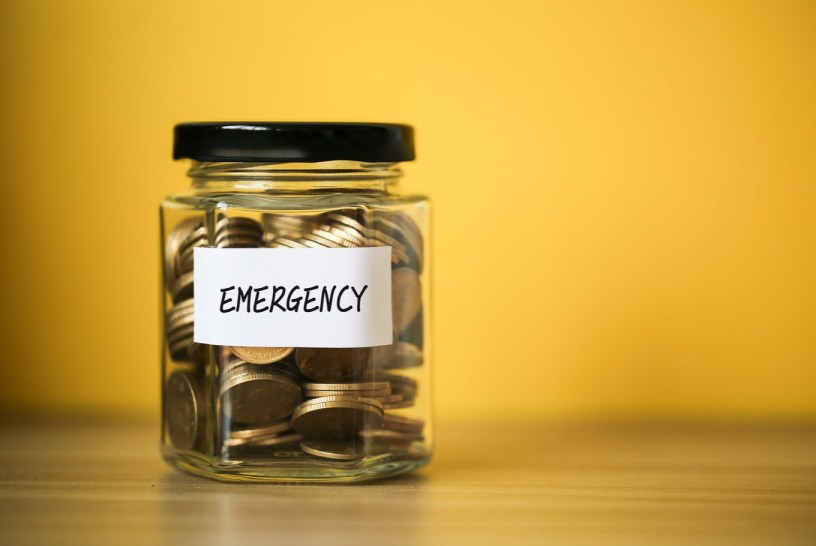
Most people don’t think about emergencies until they’re already in one. Whether it’s a medical expense, job uncertainty, or a sudden repair at home, the stress increases when money isn’t readily available. That’s exactly where an emergency fund can help. It acts as a financial cushion, quietly waiting in the background, just in case life throws something unexpected your way.
But where should this money sit? Under your mattress isn’t an option. A fixed deposit might not give instant access. One of the simplest, most practical places is a savings account. Let’s explore how you can use it as a reliable buffer.
Why a Savings Account Works for Emergencies?
There are a few reasons why a savings account makes sense for emergency funds:
- It keeps your emergency money separate from daily spending.
- You can access the funds quickly without penalties.
- You earn returns while the money waits.
- You don’t need complex paperwork or long-term commitments.
In case you intended to create an emergency buffer and still have no separate account, you can consider applying for a savings account that will have a particular purpose.
Step 1: Open a Separate Savings Account
Start by creating a new account that is not linked to your salary or regular spending. This helps reduce the temptation to use the emergency fund for non-urgent needs.
While applying, focus on basic features like:
- Ease of online access
- Simple mobile banking features
- Instant fund transfers
- Clear visibility of balance and transactions
Step 2: Understand Interest and Accessibility
While building your emergency fund, it’s helpful to know how savings account interest rates work. Some banks offer tiered interest based on the amount of balance maintained. Others calculate interest on a daily basis and credit it monthly or quarterly.
The goal isn’t to grow your money aggressively here. The purpose is safety and quick access. Still, earning a return, however modest, is better than nothing.
Step 3: Decide on Your Emergency Amount
There’s no single answer to how much you should set aside. For someone with a family and dependents, the amount might be higher. If you live alone and have a steady job, it might be lower.
The idea is to cover:
- Medical emergencies
- Temporary income loss
- Vehicle or home repairs
- Urgent travel
- Unexpected bills
Step 4: Don’t Mix it with Other Goals
Avoid using this account for travel, gadget upgrades, or festive shopping. Those are planned expenses. Emergencies are not.
Keep your emergency fund account clean and focused. When life is smooth, let it sit. When life turns difficult, you’ll be glad you didn’t dip into it for a phone sale or a last-minute trip.
Step 5: Reassess Once a Year
Your needs will change. Maybe your monthly costs have gone up. Or perhaps you’ve taken on new responsibilities. It’s a good idea to review your emergency fund annually.
During the review, check:
- Is the amount still relevant?
- Has your job situation changed?
- Are the savings account interest rates still competitive?
- Is the account still easy to access?
Real Example: When a Savings Buffer Made a Difference
Consider this: A working couple in Bengaluru had an emergency when one of them lost their job during a restructuring. Since they had a dedicated savings account with three months of expenses set aside, they didn’t need to break their investments or borrow money. The account gave them time to recover without panic.
That’s precisely the kind of peace a buffer can provide.
Conclusion
It’s easy to ignore the idea of an emergency fund until you realise you need one. A savings account gives you a clean, simple space to build that cushion. You don’t need fancy tools or complex investment products to protect yourself from uncertainty.
Just open an account, put money aside regularly, and let it sit there until it’s needed. That’s all it takes.
So if you haven’t already, this might be the right time to apply for savings account and create a safety net for your future self.
 Tips4 Business Blog