
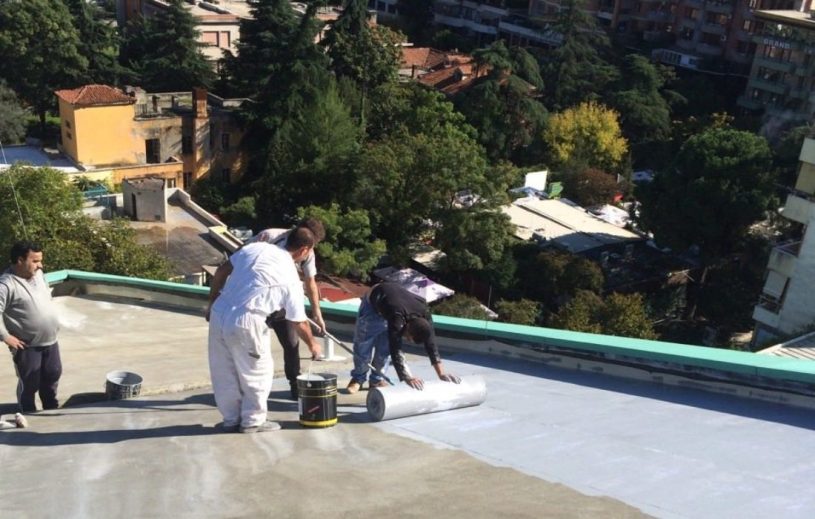
Roof waterproofing membrane installation for local buildings is one of the most technically demanding aspects of construction waterproofing, and one of the most consequential. A membrane that is correctly specified and properly installed will protect the structure beneath it for fifteen to twenty-five years. One that is installed with shortcuts or inadequate surface preparation may fail within eighteen months, often in ways that are expensive and disruptive to diagnose and repair.
Why Membrane Selection Matters
Not every waterproofing membrane performs equally well in every application. Singapore’s climate, which combines intense UV radiation, high ambient humidity, and concentrated rainfall, places specific demands on roofing materials that a product designed for a temperate climate may not meet.
The main membrane types used in Singapore roofing include:
- Torch-on modified bitumen membranes – heat-applied sheets of polymer-modified bitumen that form a robust, seamless barrier when correctly installed. APP-modified products offer good UV resistance; SBS-modified products provide greater flexibility under thermal cycling
- Liquid-applied polyurethane systems – seamless coatings applied by brush or roller that cure to form a flexible waterproofing layer. Well-suited to roofs with complex geometries or numerous penetrations where sheet membranes are harder to detail
- Single-ply membranes (TPO, PVC, EPDM) – factory-manufactured sheets mechanically fixed or adhered to the substrate, then heat-welded at seams. Common in commercial flat roof applications where long-term performance and low maintenance are priorities
The selection of the right membrane for a specific project depends on the substrate type, the roof’s usage (trafficable or non-trafficable), the drainage design, the budget, and the expected service life.
Surface Preparation: The Most Critical Step
Many waterproofing failures trace back not to the membrane itself but to inadequate preparation of the surface to which it was applied. This is the step most often shortened when contractors are under time or cost pressure, and the consequences are almost always significant.
Proper surface preparation for roof waterproofing membrane installation includes:
- Removing all existing failed membrane, loose screed, and contaminated material down to a sound substrate
- Repairing cracks, spalls, and honeycombing in the concrete deck before any waterproofing material is applied
- Allowing the substrate to dry to the moisture content specified by the membrane manufacturer
- Applying the correct primer for the substrate type and the membrane product selected
- Forming proper coves and fillets at all internal angles to prevent bridging and early failure at transitions
A contractor who skips or abbreviates any of these steps is setting the installation up to fail, regardless of the quality of the membrane product used.
The Importance of Correct Detailing
The vast majority of membrane failures occur not in the field areas of the roof but at the details: the points where the membrane terminates, changes direction, or is penetrated by pipes, drains, or structural elements.
At these locations, the flat membrane geometry changes, and careful work is needed to maintain continuity of the waterproof layer. Good detailing at these points requires:
- Properly formed upstands at all parapets and walls, taken to the correct height above the finished surface level
- Correctly sized and positioned drain outlets, with the membrane integrated into the drain body rather than simply terminating nearby
- Flexible flashing materials at penetrations that can accommodate movement without cracking
- Sealed terminations at all edges, using appropriate termination bars or sealants specified for the membrane type
Former BCA Chief Executive John Keung once observed that “the long-term performance of any building depends on the quality of craftsmanship applied at the level of detail.” In roofing, that observation applies more precisely than almost anywhere else.
Inspection and Commissioning
Once a roof waterproofing system has been installed, it should be tested before the contractor leaves site. The standard approach is a flood test, where defined sections of the roof are ponded with water to a specified depth for a defined period, typically 24 to 48 hours, to confirm there are no active leaks.
This step is not optional for serious waterproofing work. It is the only way to be confident that the installation has been completed correctly before it is covered by screed, pavers, or other finishes that would make any future repair significantly more complicated and expensive.
Warranties and Long-Term Maintenance
A reputable contractor offering membrane waterproofing for Singapore buildings will provide a workmanship warranty covering the installed area for a defined period. This warranty should be specified in writing before work begins.
Beyond the warranty period, regular inspection and minor maintenance are the most cost-effective ways to extend the service life of any roof waterproofing system. Annual visual inspection, clearance of drains, and prompt attention to any signs of membrane lifting or cracking will identify issues before they develop into costly failures.
For building owners commissioning roof waterproofing membrane installation for local buildings of any type, insisting on proper surface preparation, correct detailing, and post-installation flood testing is not an optional extra. It is the baseline of a properly executed waterproofing job.

